5 Bel Air South Parkway, Suite 1433 Bel Air, MD 21015

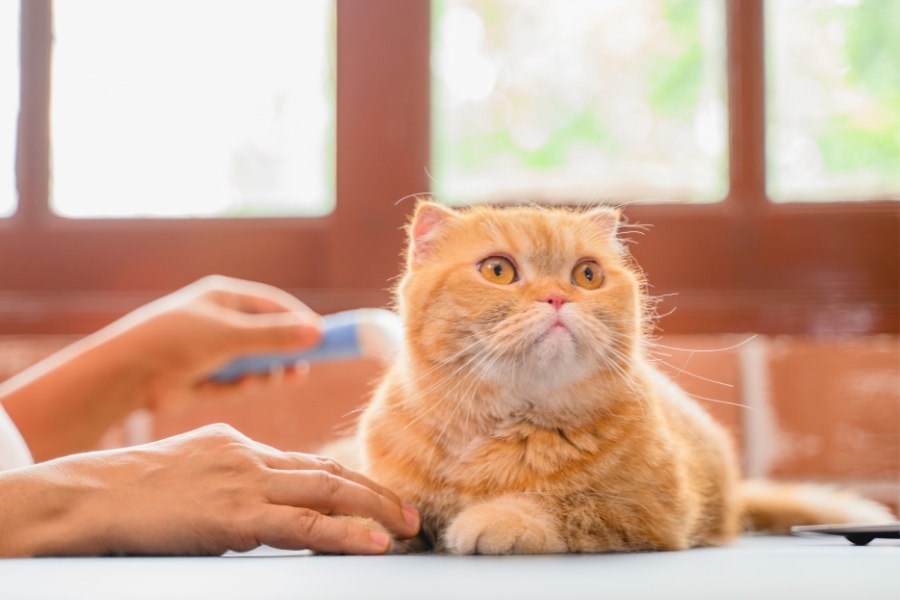
Getting older does not mean your dog or cat has to slow down on everything they love. With the right care, many senior pets can continue enjoying walks, playtime, family routines, and plenty of comfortable days as they age.
For pet owners in Bel Air, MD, knowing what changes to expect can make caring for an older companion easier. A pet that once raced around the house may begin sleeping longer, moving more slowly, or taking extra time to climb stairs. These changes can be part of aging, but some may also signal an underlying health concern.
Senior pet care is about adjusting your pet’s routine and health care as their needs change. Regular veterinary examinations, proper nutrition, gentle exercise, dental care, weight management, and attention to behavioral changes can all help support an older pet’s comfort and quality of life.
What Changes Should You Expect as Your Pet Ages?
Aging affects every pet differently. Some dogs and cats remain active well into their senior years, while others develop noticeable changes in mobility, energy, appetite, or behavior.
You may notice your pet sleeping more, taking longer to get up, avoiding stairs, or showing less interest in vigorous play. Changes in hearing or vision can also occur. However, significant or sudden changes should not automatically be attributed to age.
A veterinary examination can help determine whether a change is part of normal aging or may be related to a health condition that needs attention.
How Can You Keep a Senior Pet Healthy?
Aging pets often benefit from small adjustments to their everyday routine. The goal is to support their physical health while keeping daily activities comfortable and manageable.
Maintain a Healthy Weight
A healthy weight can reduce unnecessary stress on aging joints and make movement easier. Both weight gain and unexplained weight loss can be worth discussing with your veterinarian.
Your pet’s nutritional needs may change with age, activity level, and health status. Ask your veterinary team whether your pet’s current diet remains appropriate.
Encourage Gentle Exercise
Senior pets still need physical and mental stimulation, but they may no longer tolerate the same level of activity they enjoyed when they were younger.
Short walks, gentle play, and other low-impact activities can help keep an older pet moving. If your pet begins limping, avoids activity, struggles to stand, or appears uncomfortable, speak with a veterinarian before changing their exercise routine.
Keep Dental Health on Track
Oral health remains important throughout a pet’s life. Dental problems may cause discomfort and can affect eating habits.
Watch for bad breath, difficulty chewing, dropping food, pawing at the mouth, or changes in appetite. Regular examinations and professional [pet dental care] can help identify concerns that may otherwise go unnoticed.
How Can You Make Your Home More Comfortable?
Simple changes around the house can make a noticeable difference for an aging pet.
Provide a soft, comfortable bed in an area that is easy to reach. Nonslip rugs can give pets better traction on smooth floors, particularly if they have difficulty walking. Keep food and water bowls in convenient locations and consider limiting access to stairs if your pet struggles with them.
Senior pets also benefit from mental stimulation. Food puzzles, scent-based games, gentle training, and calm interaction can help keep their minds engaged without placing excessive physical demands on them.
How Often Should a Senior Pet See a Veterinarian?
Senior pets may benefit from more frequent veterinary monitoring because health changes can develop gradually. Your veterinarian can recommend an appropriate examination schedule based on your pet’s species, age, health history, and individual needs.
Routine visits may include discussions about weight, nutrition, mobility, dental health, behavior, and preventive care. Diagnostic testing may also be recommended when your veterinarian needs additional information about your pet’s health.
If an older pet develops a condition that requires a procedure, [veterinary surgery] may be considered when appropriate. A pet’s age alone does not determine whether surgery is suitable. Your veterinarian will consider overall health, the condition being treated, and other individual factors.
What Warning Signs Should You Watch For?
Knowing what is normal for your pet can make it easier to recognize meaningful changes. Contact your veterinarian if you notice persistent or worsening signs such as:
- Unexplained weight loss or gain
- Significant changes in appetite
- Increased thirst or urination
- Difficulty walking or standing
- Persistent coughing or breathing changes
- Repeated vomiting or diarrhea
- New lumps or swelling
- Noticeable behavioral changes
- Signs of pain or discomfort
- Confusion or difficulty navigating familiar areas
- Changes in bathroom habits
Sudden weakness, collapse, difficulty breathing, or other severe symptoms may require prompt veterinary attention.
How Can Preventive Care Support an Aging Pet?
Preventive care becomes increasingly valuable as pets get older. Regular examinations, vaccinations, parasite prevention, dental evaluations, nutrition guidance, and weight monitoring can help your veterinarian keep track of changes over time.
You can also keep notes about your pet’s appetite, weight, mobility, drinking, bathroom habits, and behavior. Sharing these observations during appointments can give your veterinarian a clearer picture of changes that may be difficult to notice during a brief examination.
Aging is a natural part of your pet’s life, but their care does not have to remain the same at every stage. Adjusting exercise, nutrition, home routines, dental care, and veterinary monitoring can help an older dog or cat stay comfortable and engaged.
Festival Veterinary Clinic provides veterinary care in Bel Air, MD, with care tailored to their changing needs. If you have noticed changes in your senior pet or want guidance on maintaining their health and comfort, schedule an appointment with the veterinary team.
Frequently Asked Questions
Q1. What are common signs that a pet is getting older?
Ans: Sleeping more, moving more slowly, reduced activity, changes in appetite, and changes in hearing, vision, or behavior can occur with age. Significant changes should be discussed with a veterinarian.
Q2. How can I keep my senior pet active?
Ans: Gentle walks, controlled play, and other low-impact activities can provide physical and mental stimulation. The right level of activity depends on your pet’s health and mobility.
Q3. Why is regular veterinary care important for senior pets?
Ans: Routine examinations allow veterinarians to monitor changes over time and evaluate concerns involving mobility, weight, dental health, behavior, nutrition, and other aspects of aging.
Q4. Does Festival Veterinary Clinic provide care for senior pets?
Ans: Yes. Festival Veterinary Clinic provides veterinary care throughout different stages of a pet’s life and can help address changing health needs as pets age.
Q5. Can Festival Veterinary Clinic evaluate changes in an older pet’s health?
Ans: Yes. A veterinary examination can help assess changes involving appetite, weight, mobility, behavior, or overall comfort and determine whether additional evaluation may be appropriate.
Q6. When should I schedule an appointment for my senior pet?
Ans: Schedule an appointment for routine senior health monitoring or if you notice persistent, sudden, or concerning changes in your pet’s behavior, mobility, appetite, weight, or comfort.