5 Bel Air South Parkway, Suite 1433 Bel Air, MD 21015
Examinations
Even if your pet seems healthy, they can always benefit from twice a year examination. Our experienced veterinarians at Festival Veterinary Clinic can help determine how to keep your pet healthy before they show signs of disease.
During the examination, we will look at:
- Eyes, ears, and nose
- Teeth and gums
- Skin and fur
- Joints and muscles
- Abdominal area
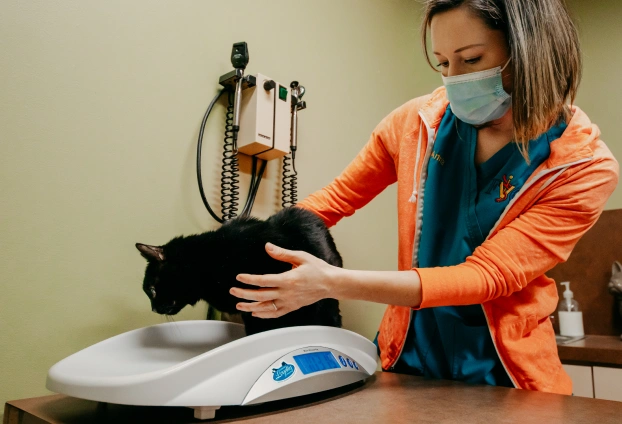
- Weight and body composition
- Heartbeat and respiratory rate
- Temperature
Following the exam, you will get a complete picture of your pet’s health and will be given the appropriate steps if anything needs to change.
We will work together to make sure that your pet is in their best overall health. We will work with you to provide the foundation for disease prevention, proper nutrition, and physical and mental exercise so you have a healthy companion.
Vaccinations
Routine pet vaccinations are important for long-term wellbeing of your animals.
- DHPP/Distemper Vaccine: This vaccine provides protection against distemper, hepatitis, parvovirus, and parainfluenza. The initial vaccination series occurs as a puppy, then boosted at one year of age, and boosted every three years after.
- Rabies Vaccine: Typically transmitted through a bite or scratch from an infected animal. It is almost always fatal, which is why it is a required vaccine for all cats and dogs. Initial rabies vaccine is good for one year, and then boosted every three years.
- Bordetella Bronchiseptica Vaccine: Recommended once yearly to prevent kennel cough and is required for boarding at this facility.
- Canine Influenza Virus Vaccine: This vaccine is recommended for dogs coming in for grooming, boarding, and hospitalization to prevent upper respiratory illness.
Parasite Control
Parasite control is another extremely important aspect to your pet’s overall health. Parasites can include fleas, ticks, intestinal parasites, and mosquitos. Our team at Festival & Fallston is ready to treat and prevent these unwanted parasites. Prevention is generally much easier than treatment. We recommend having a two-step parasite control method: regular medication and annual checkups. Medications are typically pills, treats, and collars, while checkups will happen at annual examinations through a fecal test or blood sample.
Here is how common parasites are spread:
- Fleas: these parasites can cause mild to severe itching, irritation, and allergies, as well as transmit tapeworms. They are not just a nuisance for the infected animal. They can easily bite other animals or even humans. Fleas multiply rapidly, with female fleas laying 50 eggs per day.
- Ticks: these parasites can transmit Lyme disease, tick paralysis, and other life-threatening conditions. You can find ticks anywhere outdoors, but especially in heavily wooded areas. Always check for ticks as part of a regular grooming routine.
- Intestinal parasites: these parasites can include everything from tapeworm to hookworm and are generally harmless if treated right away. If left untreated, intestinal parasites can be life threatening. They are spread through contaminated stool from infected pets, so they are very easily spread.
- Mosquitos: these insects can transmit heartworm through bites. Animals rarely show symptoms of heartworm infection until it has developed into a serious illness, which is why it is so important to stay ahead of infection with preventatives.
We know parasites can be scary to manage, which is why we are ready to talk to you about all your options for prevention.
Microchipping
Microchipping your pet is a safe way to identify your pet if they ever got lost. Inserting a microchip is a quick procedure where the chip, which is around the size of a grain of rice, is inserted into the loose skin around the neck. If a pet got lost, a veterinarian would use a microchip reader to identify the animal and call the owner to retrieve the animal.
At Festival Veterinary Clinic, we offer microchipping to dogs, cats, ferrets, rabbits, and more.
Nutrition & Weight Management
Weight issues and obesity continue to be major problems in the pet community. In 2019, more than half of dogs and cats were considered overweight or obese. These issues can easily lead to major health conditions like respiratory issues, kidney or liver disease, high blood pressure, and more. Given an animal’s smaller size, a few pounds can make a huge difference in their overall health and wellbeing.
There are many factors that can lead to obesity. These are the same factors that can be changed to help your pet lose weight. These include:
- Diet: While the type of food is important, the amount of food is just as important. Always feed your pet a high-quality whole meat diet free from additives and preservatives. The packaging should typically tell you the recommended servings per day depending on size. Follow these instructions and consult with our veterinarians about any concerns.
- Exercise: Exercise is just as important for animals as it is for humans. Lack of exercise can easily lead to obesity and other health conditions, so make sure to practice daily exercises appropriate for their age and mobility.
- Medications: Certain medications can cause weight gain or an increased appetite. If this is the case, talk with our veterinarians about your options.
Nutrition and weight management are major aspects of taking care of your pet, and our team at Festival & Fallston animal hospital is ready to set you on the right path.