5 Bel Air South Parkway, Suite 1433 Bel Air, MD 21015
Learning that your pet needs surgery can bring up many questions. You may wonder how to prepare your dog or cat, what happens on the day of the procedure, and how to make recovery more comfortable. Understanding each stage can help you feel prepared and give your companion the support they need.
At Festival Veterinary Clinic, helping pets receive appropriate veterinary care is an important part of supporting their health. Whether a procedure is planned in advance or recommended to address a medical concern, understanding the process can help you make informed decisions with your veterinary team.
For pet owners in Bel Air, MD, knowing what to expect before, during, and after surgery can make the experience less overwhelming. Understanding the basics of pet surgical care can help you prepare for the procedure, follow your veterinarian’s instructions, and recognize when your pet may need additional attention during recovery.
Before Surgery: How to Prepare Your Pet
1. Understand the Procedure
Before surgery, ask your veterinarian why the procedure is recommended, what it involves, and what benefits and risks may apply to your pet. Find out whether pre-surgical tests are needed and what recovery may look like.
You can also ask about pain management, activity restrictions, follow-up appointments, and warning signs to watch for at home. Knowing what to expect makes it easier to plan ahead.
2. Follow Pre-Surgical Instructions
Your veterinary team may provide instructions about food, water, medications, and arrival time. Follow these directions carefully because they can affect your pet’s safety during anesthesia.
Do not stop or change prescribed medications unless your veterinarian tells you to. Let the team know about supplements your pet receives and any recent changes in appetite, energy, or health.
If you are unsure about an instruction, contact the clinic before surgery rather than guessing.
3. Prepare a Comfortable Recovery Space
Before surgery day, set up a quiet, clean place where your pet can rest without being disturbed. Choose comfortable bedding and keep the area away from stairs, slippery floors, and furniture your pet might try to jump onto.
If movement will be restricted, consider using baby gates or a small room to help prevent running and climbing. Prepare these arrangements in advance so your pet can settle in comfortably after coming home.
During Surgery: What to Expect
1. Check-In and Pre-Surgical Assessment
At check-in, the veterinary team may review your pet’s medical history, medications, and any recent health changes. Depending on the procedure, a physical examination, bloodwork, or other testing may be recommended to assess your pet before anesthesia.
The team will explain the planned procedure and answer any remaining questions. Make sure they have your current contact information in case they need to reach you during the day.
2. Anesthesia and Monitoring
Many surgical procedures require anesthesia to keep a pet unconscious and comfortable. The anesthetic plan depends on factors such as your pet’s health, age, and the type of procedure.
During surgery, veterinary professionals monitor important signs such as heart rate, breathing, and oxygen levels. Monitoring and safety measures vary according to the procedure and your pet’s individual needs.
After surgery, your pet is observed while recovering from anesthesia. The veterinary team will determine when your companion is ready to go home or whether additional monitoring is needed.
After Surgery: Helping Your Pet Recover
1. Follow Discharge Instructions
Your pet may be sleepy, quieter than usual, or less interested in food shortly after anesthesia. Follow the clinic’s instructions about feeding, water, medication, and rest.
Give prescribed medications exactly as directed. Never give human pain relievers unless your veterinarian specifically instructs you to, as some can be toxic to pets.
If your pet vomits after receiving medication, refuses food beyond the expected period, or seems unusually uncomfortable, contact your veterinary team for guidance.
2. Protect the Surgical Site
Follow your veterinarian’s instructions for keeping the incision clean and dry. Do not apply creams, ointments, or cleaning products unless recommended. Check the area daily for increasing redness, swelling, discharge, bleeding, or an unpleasant odor.
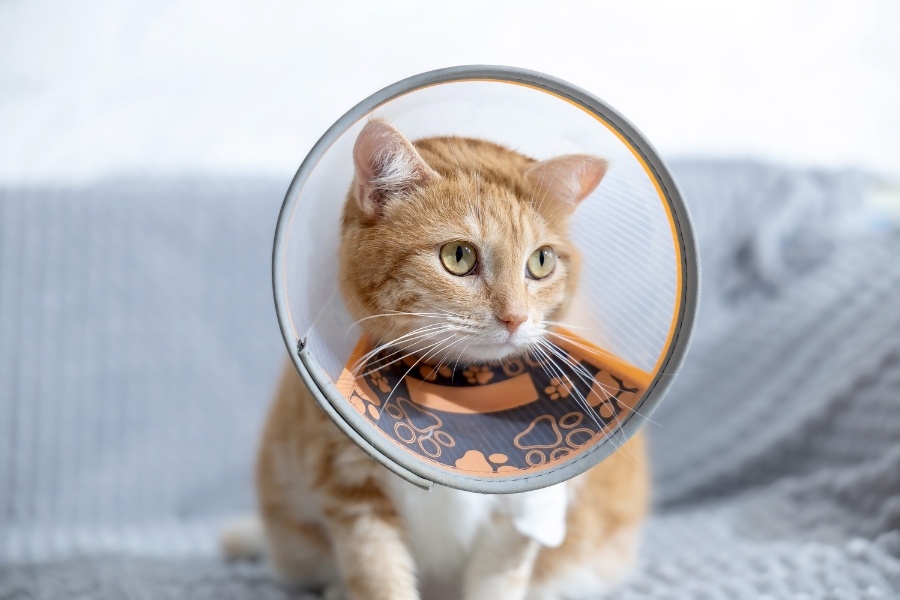
Pets may lick or chew an incision even when it appears to be healing well. Use the recommended recovery collar or protective garment to prevent irritation and damage. Contact your veterinarian if the incision opens or looks increasingly inflamed.
3. Limit Activity and Watch for Warning Signs
Even if your pet seems energetic, healing tissues may need time to recover. Follow restrictions on running, jumping, stairs, and play. The appropriate level of activity depends on the procedure and your pet’s progress.
Attend recommended follow-up visits so your veterinarian can assess healing and advise when normal activities can resume.
Difficulty breathing, collapse, uncontrolled bleeding, pale or bluish gums, or severe pain require urgent veterinary attention. Contact a veterinarian immediately if these signs occur.
Preparing ahead, following veterinary instructions, and providing a calm recovery space can make surgery and healing more manageable for your pet. Keep communication open with your veterinary team and ask questions whenever something is unclear.
If your pet needs a surgical evaluation or you have questions about an upcoming procedure, schedule an appointment to discuss your pet’s needs and appropriate next steps.
Frequently Asked Questions
Q1. How can I help my pet feel comfortable after surgery?
Ans: Provide a quiet resting space, follow medication instructions, and limit activity as directed by your veterinarian. Keep fresh water available according to your pet’s discharge instructions and monitor their recovery.
Q2. What are the warning signs of complications after pet surgery?
Ans: Watch for increasing redness or swelling around the incision, discharge, uncontrolled bleeding, severe pain, or an incision that opens. Difficulty breathing, collapse, or pale or bluish gums require immediate veterinary attention.
Q3. Why is it important to restrict my pet’s activity after surgery?
Ans: Rest helps healing tissues recover and reduces the risk of putting stress on the surgical site. Running, jumping, and rough play may interfere with healing, even if your pet seems energetic.
Q4. How does Festival Veterinary Clinic help pet owners prepare for surgery?
Ans: The veterinary team can assess your pet before the procedure, explain preparation instructions, and discuss anesthesia, monitoring, and recovery expectations based on your pet’s individual needs.
Q5. What guidance can Festival Veterinary Clinic provide for post-surgical recovery?
Ans: The team can explain medication instructions, incision care, activity restrictions, and signs that may require veterinary attention. Follow-up guidance helps pet owners understand what to expect as their pets heal.
Q6. How does Festival Veterinary Clinic help determine whether a pet is ready to resume normal activities?
Ans: Your veterinarian can assess your pet’s healing and provide recommendations based on the procedure performed and recovery progress. Following these recommendations helps you reintroduce exercise and play at an appropriate pace.